Space Force Moves to Close Its Surveillance Gap Beyond Geosynchronous Orbit
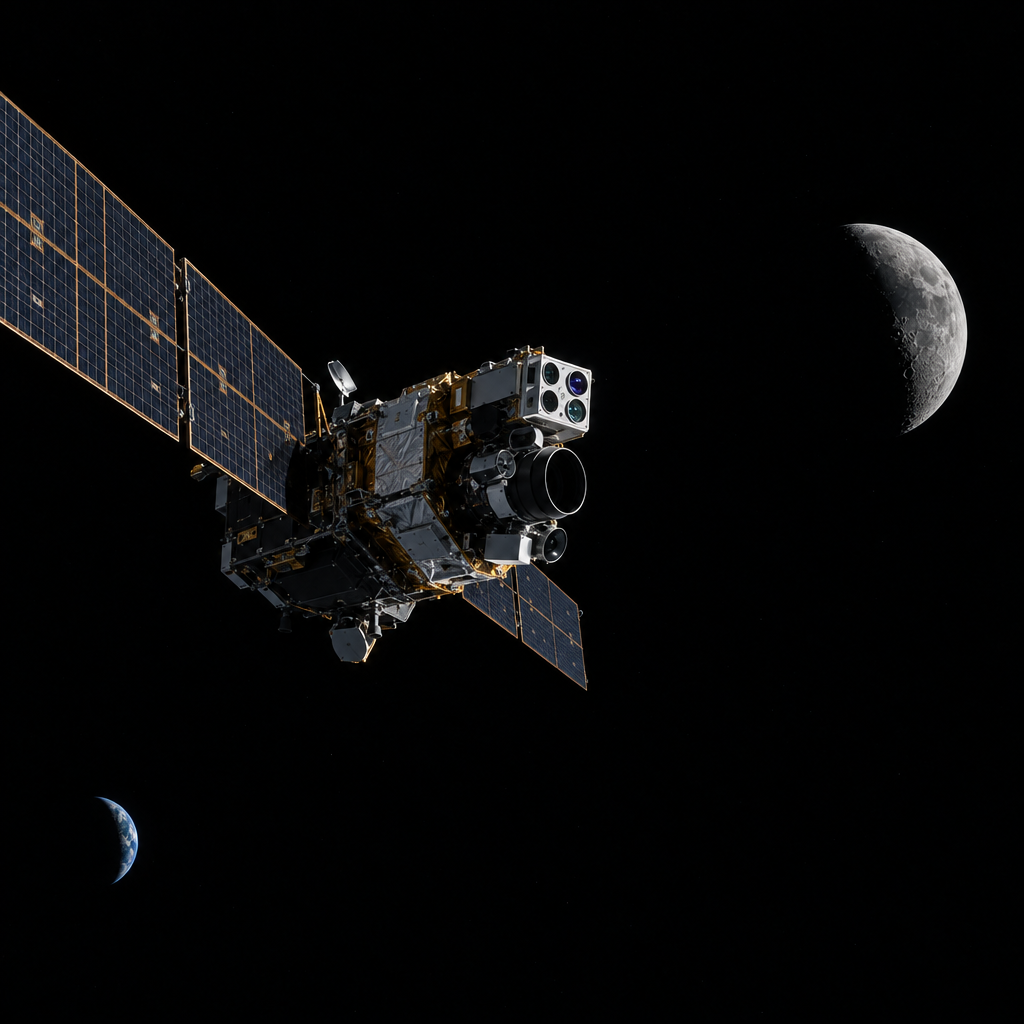
The U.S. Space Force is charting its first cislunar satellite architecture, an effort to extend military space domain awareness into the vast region between Earth and the Moon. The move addresses a growing surveillance blind spot beyond geosynchronous orbit as China and other actors turn their attention toward lunar activity. The U.S. military has spent decades building the ability to monitor activity in Earth orbit. Those capabilities thin out well before the Moon, leaving the expanse of cislu
OST Staff · November 24, 2026
The U.S. Space Force is charting its first cislunar satellite architecture, an effort to extend military space domain awareness into the vast region between Earth and the Moon. The move addresses a growing surveillance blind spot beyond geosynchronous orbit as China and other actors turn their attention toward lunar activity.
The U.S. military has spent decades building the ability to monitor activity in Earth orbit. Those capabilities thin out well before the Moon, leaving the expanse of cislunar space largely unwatched. As interest in the lunar region grows, U.S. leaders view it as a legitimate area of competition and concern.
The architecture being developed is the first dedicated military effort aimed at the cislunar volume. Its central purpose is to close the surveillance gap that exists beyond geosynchronous orbit, where the military currently has little ability to track objects at such distances. The effort represents an early step toward establishing a persistent military presence capable of monitoring the region.
The initiative comes as the United States and China both plan activity around the Moon, making cislunar space an increasingly contested domain. Building a dedicated architecture signals that the Space Force intends to monitor the region before rivals can operate there without observation.
The development of the architecture establishes the foundation for extending space domain awareness past geosynchronous orbit and into the cislunar region, an area the U.S. military has not previously been able to track with any consistency.