Space Force Moves Toward New GPS Ground Control Program Months After OCX Cancellation
The U.S. Space Force appears ready to launch a new program to modernize the GPS ground command-and-control segment, less than six months after canceling the troubled Next-Generation Operational Control System, known as OCX. The effort would upgrade the ground infrastructure that operates the GPS satellite constellation. The move follows the cancellation of the beleaguered OCX contract earlier this year. A notice dated Sept. 2 from the Space Enterprise Consortium, headlined "Coming," signaled th
OST Staff · September 10, 2026
The U.S. Space Force appears ready to launch a new program to modernize the GPS ground command-and-control segment, less than six months after canceling the troubled Next-Generation Operational Control System, known as OCX. The effort would upgrade the ground infrastructure that operates the GPS satellite constellation.
The move follows the cancellation of the beleaguered OCX contract earlier this year. A notice dated Sept. 2 from the Space Enterprise Consortium, headlined "Coming," signaled that a fresh procurement effort is in the works. GPS ground modernization has repeatedly proven to be a difficult area, with the ground segment, not the satellites, serving as the persistent bottleneck.
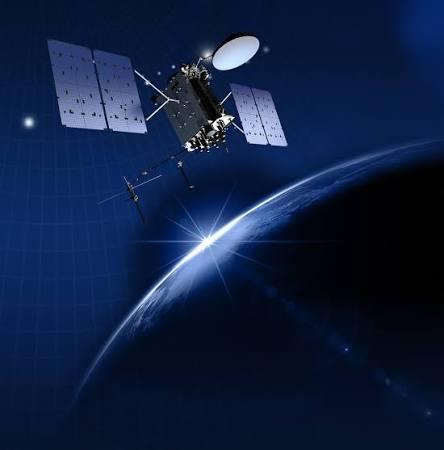
The planned program centers on GPS ground command-and-control modernization and would be run by the U.S. Space Force. Its focus is the ground segment rather than the satellites themselves, addressing the infrastructure that commands and controls the constellation. The GPS III SV10 satellite launched from Cape Canaveral in the early hours of April 21, according to Lockheed Martin.
The Space Enterprise Consortium notice provides the clearest indication so far that the Space Force intends to restart work on the command-and-control backbone. The timing places the new effort within six months of the OCX cancellation.
The renewed push signals that the Space Force is again attempting to fix the command-and-control system that underpins military and civilian positioning worldwide. The ground segment operates the satellites that deliver positioning, navigation, and timing services, making its modernization a priority following the earlier program's cancellation.
What remains to be seen is the formal launch of the program and the details that will accompany the Space Enterprise Consortium's "Coming" notice. The satellites have proven the more straightforward element of the GPS enterprise. Whether the ground segment finally catches up is the open question.