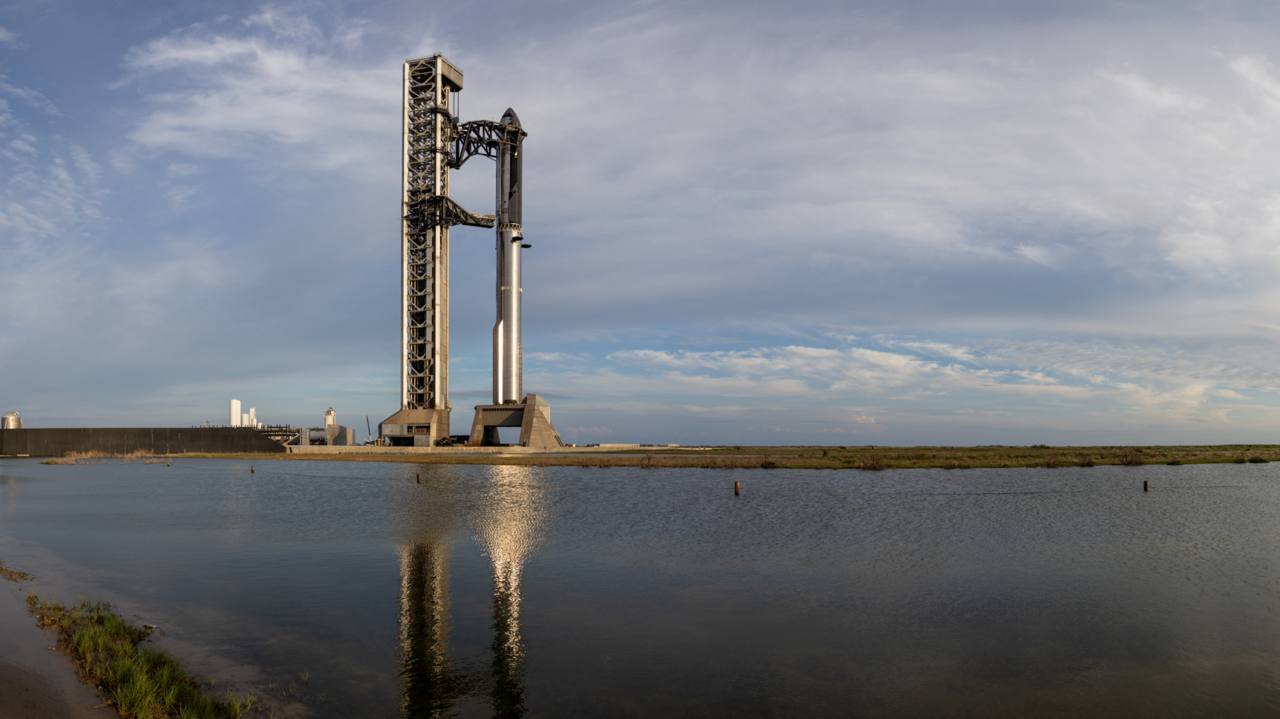
SpaceX Set to Attempt First Catch of Starship Upper Stage at Launch Tower
SpaceX was poised on Friday, November 13, to carry out its latest Starship test flight, with plans to attempt the first-ever catch of the spaceship upper stage at the launch tower following roughly a day in orbit. The maneuver would mark a never-attempted milestone central to the vehicle's full reusability. The attempt builds on prior test flights in which SpaceX caught Super Heavy boosters with the tower arms. Catching the orbital upper stage is a far harder task, one the company has not tried
OST Staff · November 13, 2026
SpaceX was poised on Friday, November 13, to carry out its latest Starship test flight, with plans to attempt the first-ever catch of the spaceship upper stage at the launch tower following roughly a day in orbit. The maneuver would mark a never-attempted milestone central to the vehicle's full reusability.
The attempt builds on prior test flights in which SpaceX caught Super Heavy boosters with the tower arms. Catching the orbital upper stage is a far harder task, one the company has not tried before. The flight profile calls for the ship to spend time in orbit before returning for the tower catch.
The vehicle is described as the world's biggest and most powerful rocket. For this flight, the ship was set to spend about a day in orbit before making its return attempt. The catch would be executed at the launch tower, the same approach used to recover Super Heavy boosters in earlier flights. The test was scheduled for Friday, November 13.
Catching the orbital upper stage represents a major step toward the rapid-turnaround economics that Starship is built around. While SpaceX has previously demonstrated the ability to catch the booster, recovering the upper stage at the tower would show that both halves of the largest rocket ever built can be plucked from the sky and flown again.
The key milestone to watch is the catch attempt itself, planned to follow roughly a day in orbit on the November 13 flight.