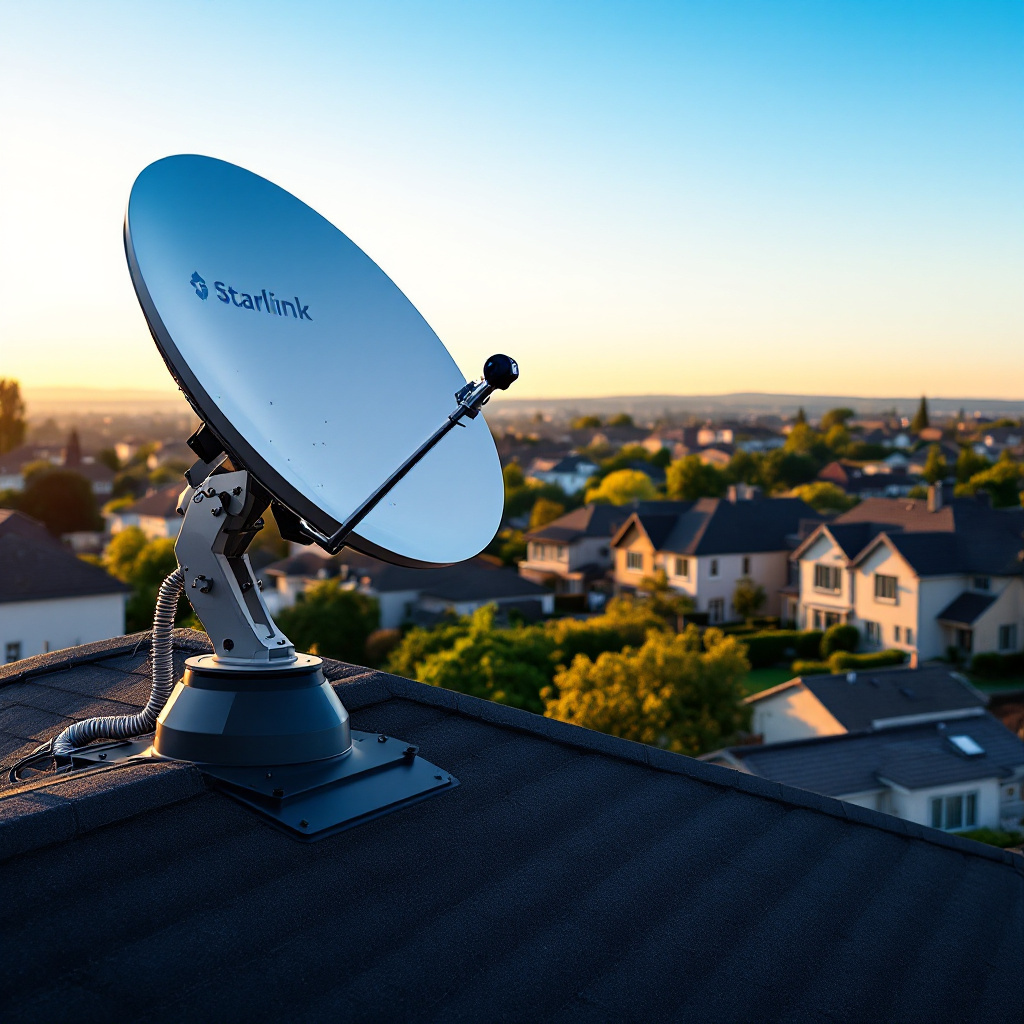
SpaceX to Acquire 800 MHz Spectrum to Push Starlink Mobile Indoors
SpaceX announced Thursday it will acquire nationwide low-band spectrum from Grain Management to improve Starlink Mobile and enable the direct-to-device service to work inside buildings. The deal gives SpaceX 14 megahertz of paired spectrum in the 800 MHz band and marks a step toward making Starlink Mobile a major US wireless carrier. The acquisition follows the FCC's approval for SpaceX to deploy 15,000 satellites for its Starlink Mobile direct-to-device constellation. SpaceX said the low-band
OST Staff · October 9, 2026
SpaceX announced Thursday it will acquire nationwide low-band spectrum from Grain Management to improve Starlink Mobile and enable the direct-to-device service to work inside buildings. The deal gives SpaceX 14 megahertz of paired spectrum in the 800 MHz band and marks a step toward making Starlink Mobile a major US wireless carrier.
The acquisition follows the FCC's approval for SpaceX to deploy 15,000 satellites for its Starlink Mobile direct-to-device constellation. SpaceX said the low-band spectrum will complement that network, with the company's global 2 GHz mid-band spectrum providing high-bandwidth capacity in the United States while the new 800 MHz holdings add a coverage layer capable of penetrating obstacles such as walls.
The spectrum SpaceX is acquiring comes from Grain Management, a private investment firm that bought the block from T-Mobile in a deal announced in early 2025 and completed in August for 2.9 billion dollars in cash and additional spectrum licenses. The transaction announced Thursday is subject to FCC approval, and financial terms were not disclosed.
SpaceX said most existing mobile devices already support the 800 MHz band. In its statement, the company said the low-band spectrum will ensure that Starlink Mobile's signal can reach customers' devices even when they are inside buildings. Grain described the spectrum's propagation characteristics as well-suited for a broad range of mission-critical applications, including private wireless networks for electric utilities and other critical infrastructure operators, enterprise communications, and next-generation direct-to-device satellite services.
With this spectrum and the second generation of Starlink Mobile satellites, SpaceX said Starlink Mobile will be the first network operator to deploy both satellite and terrestrial spectrum. The company said the network will provide reliable service indoors, outdoors, in cellular dead zones, and everywhere in between. SpaceX stated its aim to make Starlink Mobile a major US carrier competing directly with the largest telecom operators. Starlink Mobile, the direct-to-device constellation, is separate from SpaceX's broadband internet constellation.
SpaceX said the combination of low-band and mid-band spectrum moves Starlink Mobile beyond a satellite service that fills coverage gaps toward a terrestrial-grade carrier capable of serving customers in buildings and cellular dead zones alike. The company framed the deal as positioning Starlink Mobile to compete directly with established US wireless operators rather than partner with them.
The acquisition requires FCC approval before it can be completed.