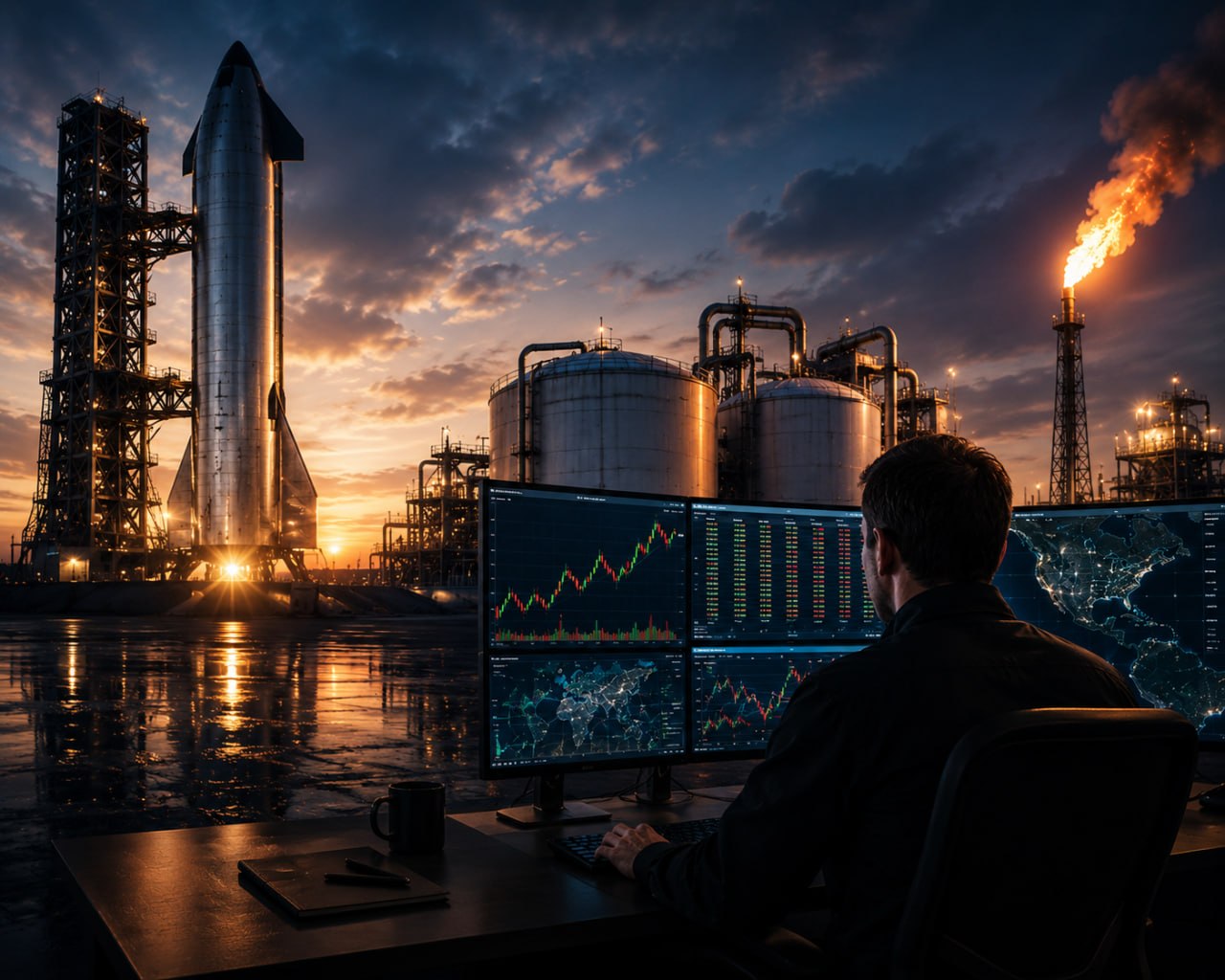
SpaceX Builds Internal Natural Gas Trading Desk to Feed Starship and Starlink
SpaceX is hiring a natural gas trader to build and lead an in-house trading team, a move that signals the company's fuel and power consumption has grown large enough to require active market management. The step treats energy as a strategic input to be managed rather than simply purchased, according to a Bloomberg report. The new role is intended to support the company's growing fuel and power needs as it scales Starship and Starlink operations. Starship's engines burn liquid methane, a propell
OST Staff · August 22, 2026
SpaceX is hiring a natural gas trader to build and lead an in-house trading team, a move that signals the company's fuel and power consumption has grown large enough to require active market management. The step treats energy as a strategic input to be managed rather than simply purchased, according to a Bloomberg report.
The new role is intended to support the company's growing fuel and power needs as it scales Starship and Starlink operations. Starship's engines burn liquid methane, a propellant derived from natural gas, tying the company's launch cadence directly to natural gas markets.
The hire will build and lead a dedicated natural gas trading team inside SpaceX. The purpose of the desk is to support the fuel and power requirements tied to the company's expanding launch and satellite operations. Bloomberg reported the hiring plans.
The decision reflects the scale of SpaceX's methane demand. Because Starship relies on liquid methane sourced from natural gas, the company's propellant needs connect directly to commodity market conditions.
The creation of an internal trading operation indicates that SpaceX's fuel consumption has reached a point where market exposure represents a material business risk. Building a trading desk suggests the company intends to actively manage that exposure rather than absorb it as a routine procurement cost.
With Starship still ramping toward regular flights, the size of SpaceX's future energy footprint remains an open question. If the company already requires an internal commodity trading operation today, its fuel needs five years from now, when Starship is flying regularly, are difficult to project.