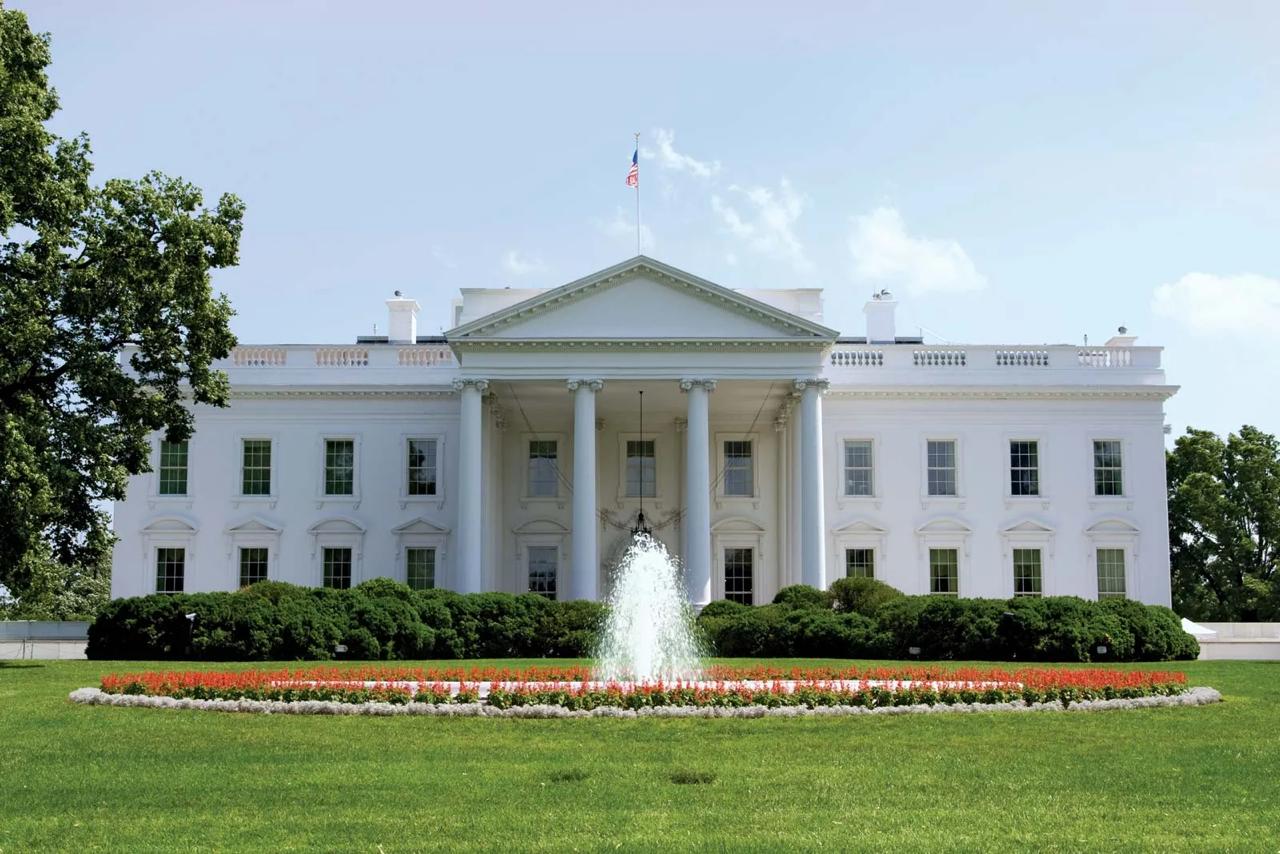
Four U.S. Space Firms Withdraw From Paris Summit After White House Warning
Four American space companies, including SpaceX and Blue Origin, have pulled out of an international space summit in Paris after the White House warned that attendance could be seen as endorsing European Union space policies. France's government confirmed the withdrawals on September 3, 2026, days before the event was scheduled to open. The summit, described in reports as taking place next week, was intended to convene international players in the space sector. French government officials confi
OST Staff · September 4, 2026
Four American space companies, including SpaceX and Blue Origin, have pulled out of an international space summit in Paris after the White House warned that attendance could be seen as endorsing European Union space policies. France's government confirmed the withdrawals on September 3, 2026, days before the event was scheduled to open.
The summit, described in reports as taking place next week, was intended to convene international players in the space sector. French government officials confirmed the pullouts directly. A White House official reportedly cautioned American firms that participating in the gathering could be perceived as backing EU space policy positions.
Alongside SpaceX and Blue Origin, Stoke Space and Starcloud also withdrew from the event. Industry figures quoted in coverage of the withdrawals described the pressure campaign as unfortunate. The four confirmed departures represent a significant American absence from a summit hosted on European soil.
On the same day the withdrawals were confirmed, Spain's space minister cited Elon Musk's control of two thirds of all operating satellites as motivation for Spain's investment in the European Iris2 satellite constellation. The remark tied the diplomatic friction over the summit to broader European concerns about reliance on American commercial space capabilities.
The episode illustrates the White House using commercial space companies as leverage in a transatlantic policy dispute. For Europe, which is already anxious about U.S. dominance in launch and satellite infrastructure, the loss of American firms from its own summit represents both a diplomatic and a symbolic setback.
Whether European governments now accelerate investment in independent launch and satellite infrastructure remains the central question, as American commercial space increasingly becomes an instrument of U.S. foreign policy.