Sophia Space and SLI Set $300M Terms to Finance Orbital Compute Constellation
Orbital compute startup Sophia Space and space asset leasing company SLI have set terms for a $300 million asset-financing deal to fund a 10-satellite edge computing constellation, the companies announced today. The framework treats satellites as leasable assets, applying financing tools built for aviation and shipping to a new class of orbital infrastructure. Both companies are betting that space is entering what they describe as its infrastructure capital era. That shift, they argue, calls fo
OST Staff · September 14, 2026
Orbital compute startup Sophia Space and space asset leasing company SLI have set terms for a $300 million asset-financing deal to fund a 10-satellite edge computing constellation, the companies announced today. The framework treats satellites as leasable assets, applying financing tools built for aviation and shipping to a new class of orbital infrastructure.
Both companies are betting that space is entering what they describe as its infrastructure capital era. That shift, they argue, calls for financing structures beyond venture money. As Sophia Space CEO and cofounder Rob DeMillo put it, when a nascent industry can support this kind of finance scenario, the industry is no longer nascent.
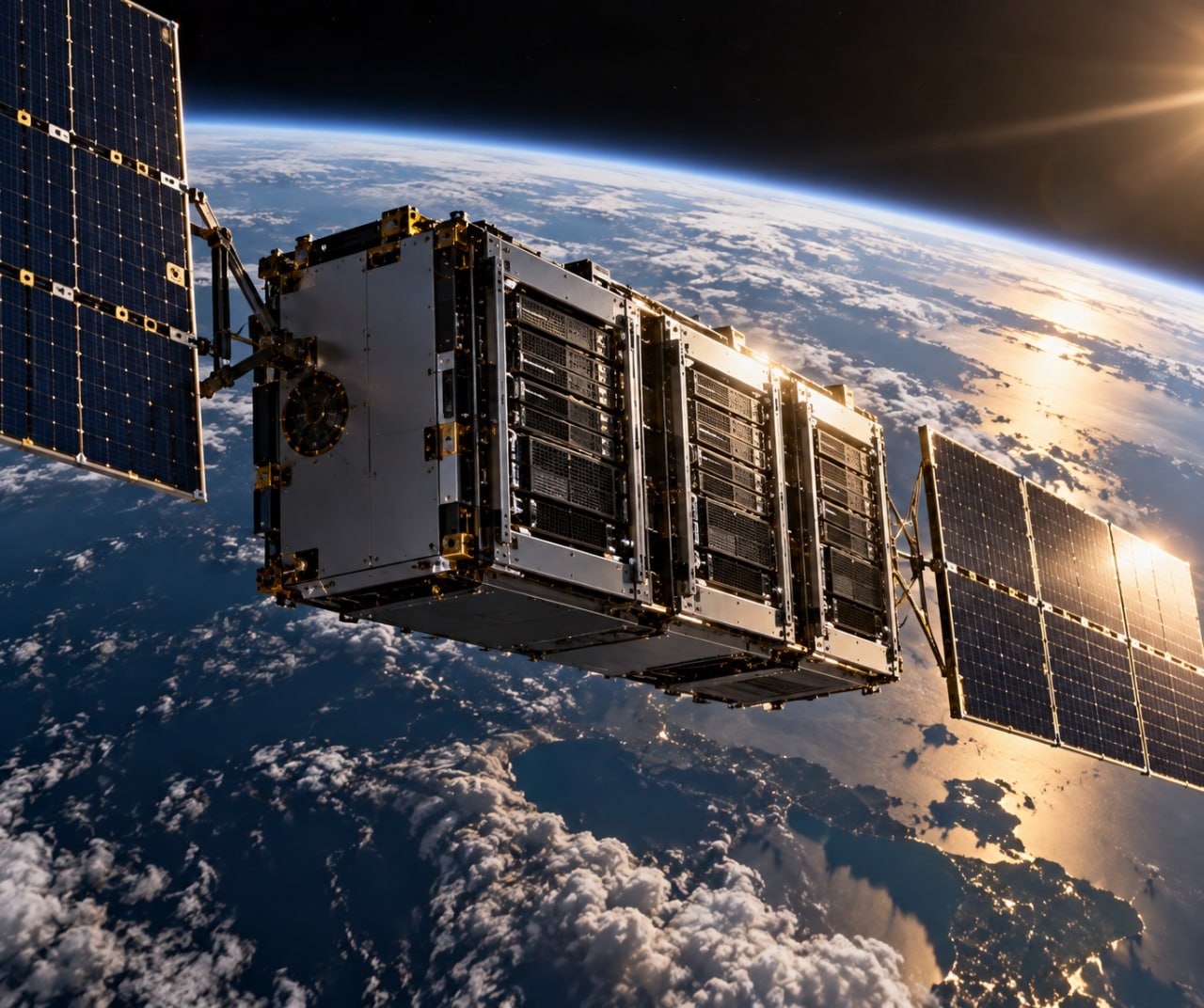
Under the framework, laid out in a non-binding letter of support, SLI would fund construction of the constellation against build and launch milestones, take ownership upon in-orbit acceptance, and lease the satellites to Sophia's customers. SLI would own the satellites under a long-term operating lease. The deal covers 10 TILE spacecraft, with launches coming as early as 2028 and the full constellation delivering capacity the company says is equivalent to 240 state-of-the-art edge servers.
DeMillo emphasized that Sophia's customers, not Sophia itself, would lease the satellites. The lease structure converts a capital purchase into an operating cost for orbital compute buyers, giving Sophia a payment pathway to put in front of prospects. DeMillo compared the process to leasing a car, saying customers do not have to go from ground zero to get their car lease. Instead of leasing from a bank, he said, they go to the Audi dealership.
The framework only converts once Sophia closes its final round of financing. The company has raised $22 million, following a $10 million seed round in February and a $7 million SAFE financing round in June. No customers have committed to a lease yet, though DeMillo said the pipeline is real and acknowledged that landing those buyers is Sophia's responsibility.
For SLI, the agreement extends a pipeline of leasing deals it has been building since 2023, working its way from ground stations to orbit. Last December, SLI signed a non-binding document to buy two GEO satellites valued at over $200 million and lease them to operators. Earlier deals include an Arctic ground station and 10 antennas acquired from Microsoft, both leased to RBC Signals.
DeMillo said he expects more companies to follow the leasing route. Companies build the initial stuff with venture money, he said, but then productize it, and when they productize it, they need different capital investment structures. He framed the deal as a marker of maturity for orbital compute, arguing that the availability of asset financing signals the sector has moved past its earliest stage.
The framework's conversion depends on Sophia closing its final financing round, and no lease customers have yet committed. Launches under the framework could begin as early as 2028.