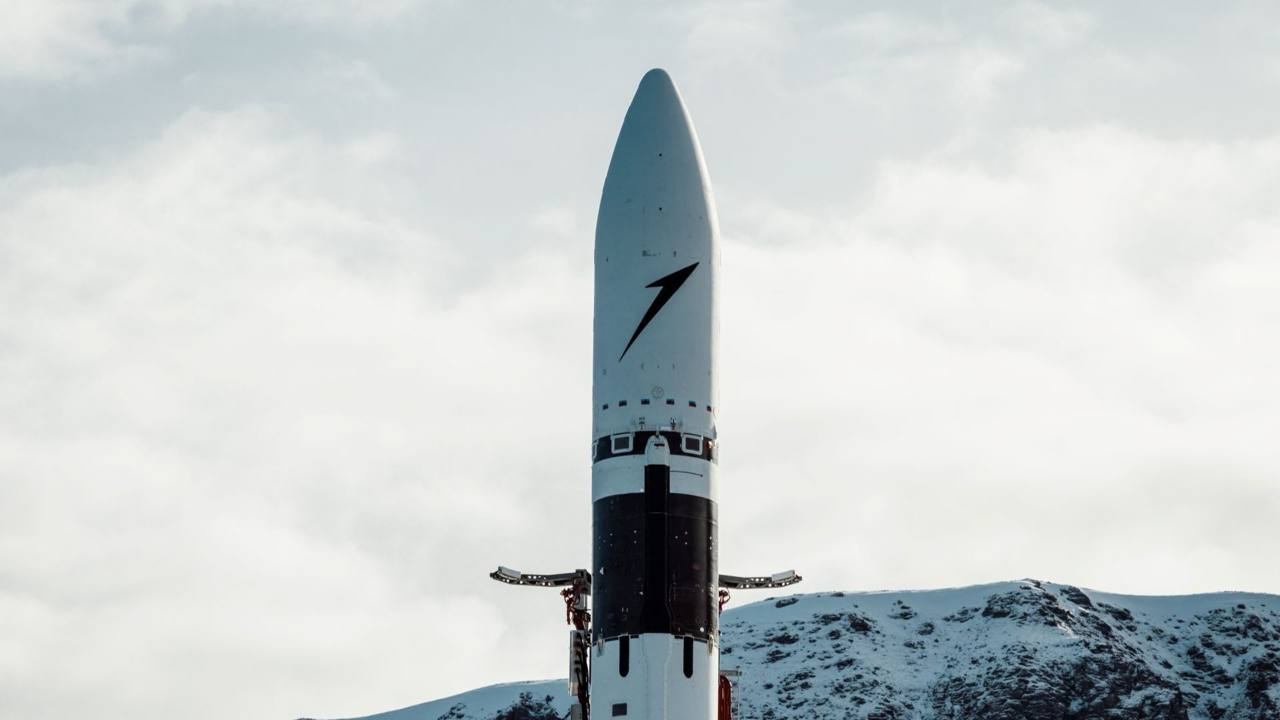
Rocket Factory Augsburg Halts UK Launch Debut After Pad Test Reveals Vehicle Issue
German startup Rocket Factory Augsburg has paused its first orbital launch attempt after discovering a problem with its RFA One rocket during testing on the launch pad at the U.K.'s SaxaVord Spaceport in Shetland, Scotland. The company announced on July 28 that it found "an issue with the vehicle that requires further investigation," and set no new launch date. The delay pushes back what would have been the first-ever vertical orbital launch from U.K. soil. RFA had previously expected the launc
OST Staff · August 2, 2026
German startup Rocket Factory Augsburg has paused its first orbital launch attempt after discovering a problem with its RFA One rocket during testing on the launch pad at the U.K.'s SaxaVord Spaceport in Shetland, Scotland. The company announced on July 28 that it found "an issue with the vehicle that requires further investigation," and set no new launch date. The delay pushes back what would have been the first-ever vertical orbital launch from U.K. soil.
RFA had previously expected the launch to take place in August or September. The company said it would de-stack the staged rocket and provide more details as its investigation continues. It did not disclose the nature of the issue.
RFA One is a three-stage rocket designed to launch smaller satellites. It will eventually include a reusable first stage intended to lower cost and increase launch cadence. The rocket will target a range of orbits, including geosynchronous, polar and sun-synchronous. RFA conducted a hot fire test of its RFA One launcher stage at SaxaVord in November 2024.
RFA has been working to position itself as one of the leading new companies in Europe. In January, it received a spaceflight operator license from the U.K. Civil Aviation Authority for its SaxaVord launch. SaxaVord is working to become an alternative to older, busier launch ports, including Kourou's Guiana Space Centre, which has hosted high-profile launches such as the James Webb Space Telescope.
"This is a groundbreaking moment for RFA and for Europe's space industry," Jörn Spurmann, RFA chief commercial officer, said in a statement released shortly after the company obtained the license. "Securing the first-ever launch license outside the European Space Agency's established site in Kourou is not just a regulatory milestone, it's a powerful endorsement of our technical excellence and a turning point for European space innovation."
The delay comes amid global constraints in launch capacity and calls for increased European spaceflight autonomy. Rockets are in high demand in large part due to constantly launching satellite batches for large constellations, including SpaceX Starlink, and planned orbital data centers. The U.S. Department of Defense is also asking companies to launch more often for security missions, such as the quick-turnaround VICTUS HAZE mission that Rocket Lab launched in June only 16 hours and 42 minutes after receiving the military's request. Conflicts in Ukraine and Iran and other defense activities have pushed countries toward more sovereign launch work, accelerating spaceport construction in jurisdictions including the U.K., Europe and Canada.
It is common for new rockets to encounter issues during development, including in later stages such as integrated pad testing or even during a first launch, because spaceflight is inherently hard. There is more pressure than ever on startup launch companies to achieve their goals quickly, for commercial and defense reasons.
RFA said it would provide more details as its investigation continues. The U.K. will need to wait at least a few more weeks to attempt its first-ever vertical launch from the region.