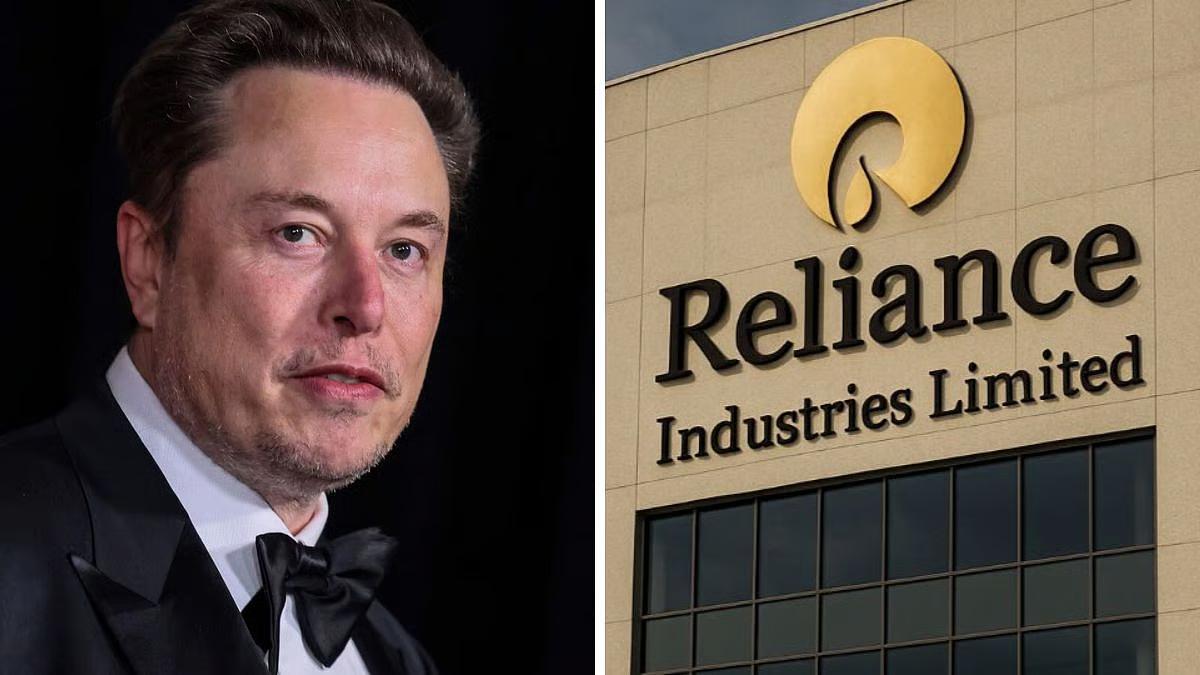
Reliance Rejects Claims It Is Blocking Starlink's India Entry
Reliance Industries has publicly denied that it is working to keep Elon Musk's Starlink out of India, stating that its own satellite venture is still awaiting regulatory clearances. The statement responds directly to Musk, who questioned why Starlink's India rollout has been delayed. Both companies are competing to deliver satellite connectivity across the Indian market. The dispute centers on competing explanations for Starlink's delayed entry. Musk raised questions about the holdup, while Rel
OST Staff · October 16, 2026
Reliance Industries has publicly denied that it is working to keep Elon Musk's Starlink out of India, stating that its own satellite venture is still awaiting regulatory clearances. The statement responds directly to Musk, who questioned why Starlink's India rollout has been delayed. Both companies are competing to deliver satellite connectivity across the Indian market.
The dispute centers on competing explanations for Starlink's delayed entry. Musk raised questions about the holdup, while Reliance, led by Mukesh Ambani, pushed back against any suggestion that it is responsible for keeping the operator out. Reliance framed the delay as a matter of pending regulatory clearances rather than competitive maneuvering.
Reliance Industries, led by Mukesh Ambani, said its own satellite venture has not yet received the clearances it needs to operate. That positions the conglomerate as subject to the same regulatory process it is accused of using to slow a rival. Musk, for his part, questioned the reasons behind Starlink's delayed India launch. The exchange places two of the sector's largest players in direct public disagreement over who or what is responsible for the holdup.
The market at stake is India's satellite connectivity sector, which both companies are seeking to serve. The clash sets a major satellite operator against one of India's most powerful conglomerates, with the outcome shaping who ultimately provides service to users across the country.
India is one of the largest untapped markets for satellite broadband, and the standoff pits the world's richest satellite operator against one of India's most powerful conglomerates. The regulatory versus competition framing determines who gets to connect hundreds of millions of users, with hundreds of millions of potential subscribers hanging on how the dispute resolves.
Attention now turns to the regulatory clearances both ventures are awaiting. Whoever clears the regulatory gate first sets the terms for satellite broadband across the subcontinent.