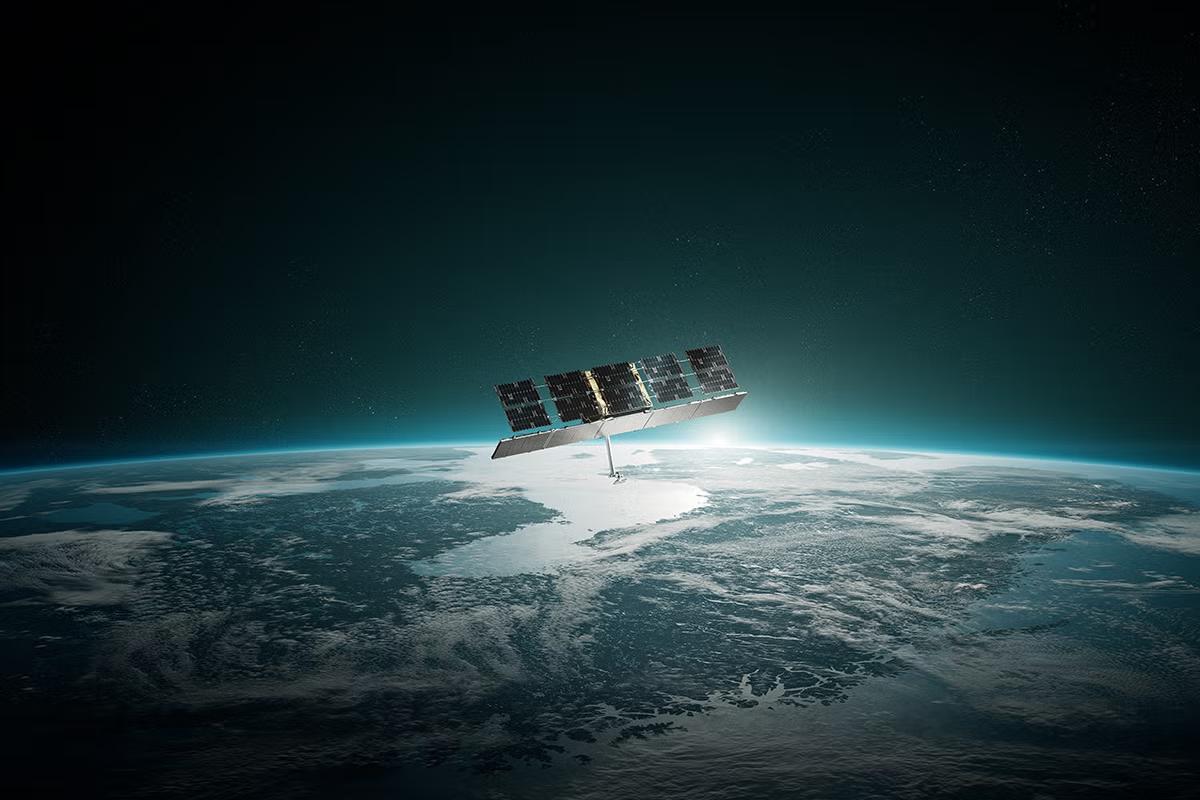
Nokia and Iceye Partner on Low-Orbit Satellite Systems for Defense
Nokia and Iceye announced on October 1 that they will jointly develop low-orbit satellite communications systems aimed at governments and defense contractors. The partnership pairs a major telecom equipment maker with a satellite constellation operator to target defense and security communications markets. The companies said the systems will support missions ranging from military and border security to emergency services and disaster response. The announcement marks a move by commercial low-ear
OST Staff · October 1, 2026
Nokia and Iceye announced on October 1 that they will jointly develop low-orbit satellite communications systems aimed at governments and defense contractors. The partnership pairs a major telecom equipment maker with a satellite constellation operator to target defense and security communications markets.
The companies said the systems will support missions ranging from military and border security to emergency services and disaster response. The announcement marks a move by commercial low-earth-orbit players deeper into government and military markets.
Under the agreement, the two firms will collaborate on satellite communications systems built for government and defense customers. The products are intended to serve a range of operational needs across both security and civil response roles.
The named use cases span military operations, border security, emergency services, and disaster response. The companies identified governments and defense contractors as the primary customers for the systems.
The partnership reflects how commercial LEO operators are taking on communications roles they were not originally built for, as defense demand pulls them into new mission areas. By combining Nokia's telecom equipment capabilities with Iceye's satellite operations, the two companies aim to address defense and security communications requirements directly.
Further details on timelines, deployment, and specific contracts were not provided in the announcement.