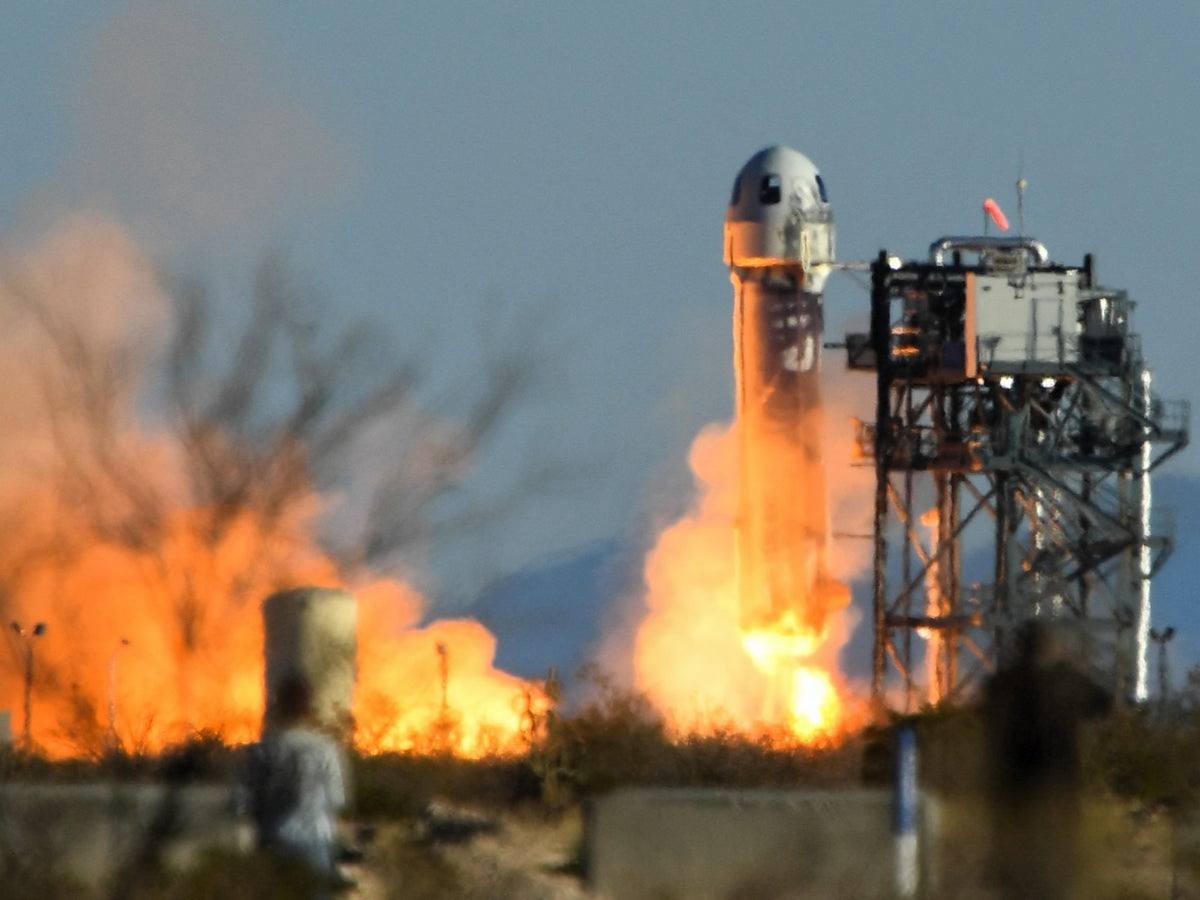
Blue Origin Traces New Glenn Explosion to BE-4 Oxygen Valve
Blue Origin has identified a liquid oxygen valve in one of its BE-4 engines as the cause of the May 28 static-fire explosion that destroyed a New Glenn rocket and severely damaged its Cape Canaveral launch pad. Because the BE-4 also powers United Launch Alliance's Vulcan rocket, the finding could carry implications beyond Blue Origin. The disclosure came in an August 5 statement on social media from Blue Origin Chief Executive Dave Limp, the first major update on the failure investigation since
OST Staff · August 5, 2026
Blue Origin has identified a liquid oxygen valve in one of its BE-4 engines as the cause of the May 28 static-fire explosion that destroyed a New Glenn rocket and severely damaged its Cape Canaveral launch pad. Because the BE-4 also powers United Launch Alliance's Vulcan rocket, the finding could carry implications beyond Blue Origin.
The disclosure came in an August 5 statement on social media from Blue Origin Chief Executive Dave Limp, the first major update on the failure investigation since the explosion. The company had previously focused its updates on the reconstruction of Launch Complex 36, the pad damaged in the incident.
Limp said the anomaly originated at the main oxygen valve on one of the first stage's seven BE-4 engines. That conclusion was later confirmed by hardware recovery and inspections. Extensive component-level and engine hotfire tests were conducted to better understand the failure mode and inform mitigations.
Limp did not detail how the valve malfunctioned but said the issue can be corrected while the company completes the fault tree analysis for the investigation. The company is making small modifications to the valve that can be quickly retrofitted to existing engines, and it is manufacturing the updated hardware, which will be ready by the end of the month.
Because the problem lies with the BE-4 engine, it may also affect United Launch Alliance, whose Vulcan rocket uses the engine in its first stage. Vulcan has not flown since February, when it experienced an unrelated anomaly with one of its solid rocket boosters, which use motors provided by Northrop Grumman. That mission completed successfully, but the companies have been investigating the problem since then. Northrop said in a July 21 earnings call that it had taken unspecified corrective actions with the GEM 63XL motor, including a component redesign verified in ground testing, with redesigned motors expected to begin delivery by the end of the year. ULA has not announced plans for Vulcan's return to flight, including in configurations that do not use solid rocket motors, and the company did not state how the BE-4 investigation might affect those plans.
The finding gives Blue Origin a specific, traceable root cause with a defined path to correction. As the BE-4 is shared across two major American launch vehicles, any systemic concern about the engine design would extend to ULA's Vulcan program.
Blue Origin has stated since the accident that it intends to rebuild LC-36 and return New Glenn to flight by the end of the year, an ambitious schedule given the time required to rebuild other pads affected by vehicle explosions. Limp did not provide a schedule update when he discussed the BE-4 investigation. The company expects the updated valve hardware to be ready by the end of this month, and the fault tree analysis for the investigation remains in progress.