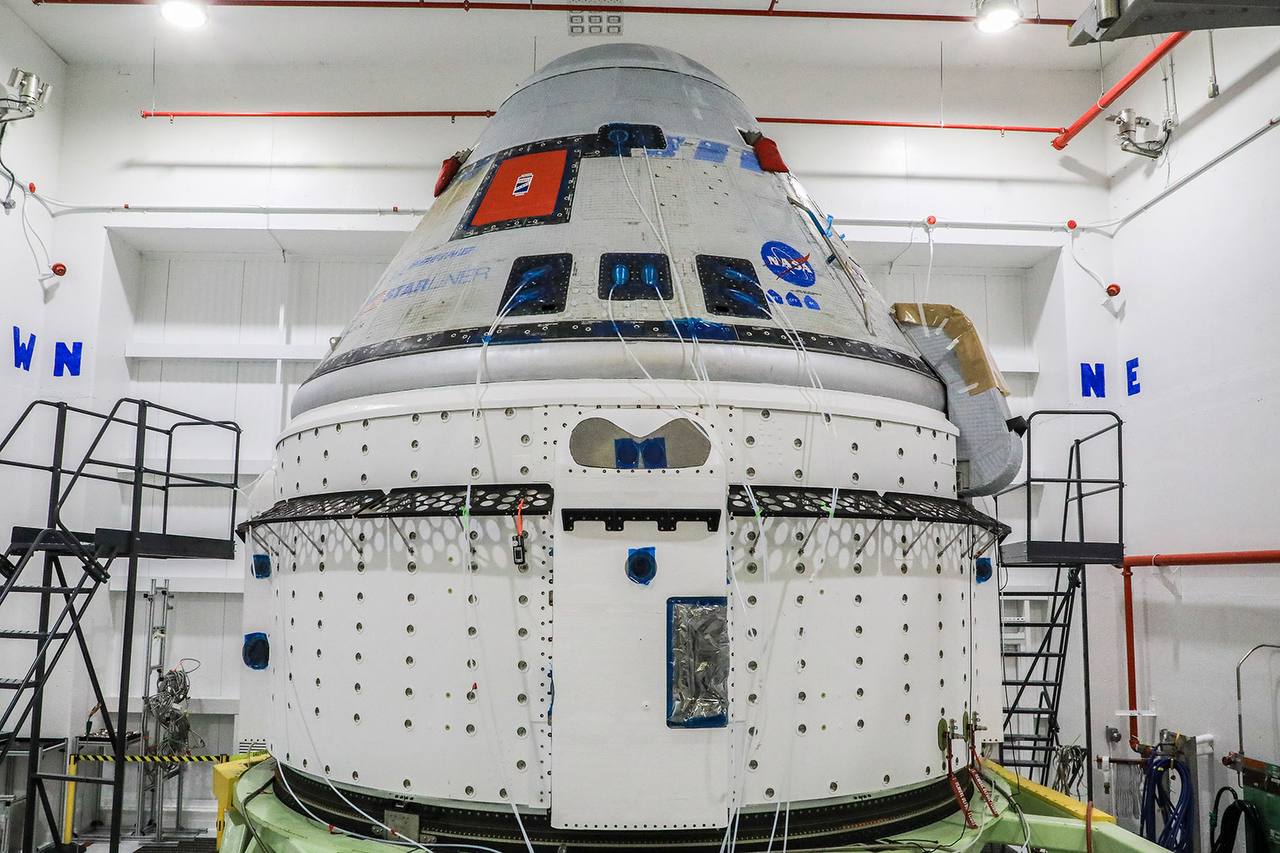
NASA and Boeing Restore Two Starliner Missions, Set December Launch Window for Uncrewed Flight
NASA and Boeing announced changes to the Starliner contract that add resources for human spaceflight certification and support the spacecraft as a long-term provider of crewed missions to low Earth orbit. The uncrewed Starliner-1 mission, carrying cargo to the International Space Station, is planned for the December 2026/January 2027 timeframe, with a crewed Starliner-2 mission to follow in 2028. The contract modification follows two years of joint work to address technical issues identified du
OST Staff · October 9, 2026
NASA and Boeing announced changes to the Starliner contract that add resources for human spaceflight certification and support the spacecraft as a long-term provider of crewed missions to low Earth orbit. The uncrewed Starliner-1 mission, carrying cargo to the International Space Station, is planned for the December 2026/January 2027 timeframe, with a crewed Starliner-2 mission to follow in 2028.
The contract modification follows two years of joint work to address technical issues identified during the investigation of the 2024 Crew Flight Test. NASA and Boeing described the modification as reflecting a safety-first partnership and a continued commitment to Starliner as a long-term human spaceflight provider to the ISS and future low Earth orbit destinations.
The modifications include a series of spacecraft enhancements for future missions. Boeing will replace valves on all 12 crew module reaction control system thrusters and add measures to prevent corrosion, redesign service module reaction control system thruster poppets, and record service module thruster chamber pressure data more often for better performance insight. The work also includes a parachute joint design improvement and integration of NASA-provided upgraded battery systems. Other contract changes certify Vulcan for human spaceflight to support flights after the Atlas fleet is phased out and restore the fifth and sixth Starliner missions, which had been made options under a November 2025 contract modification.
Ahead of Starliner-1, Boeing and NASA stated they are confident in the vehicle and have addressed the technical issues from the Crew Flight Test. John Mulholland, vice president of the Starliner program, said corrective action plans are implemented for the eight PIT Report recommendations, and 19 of the 21 in-flight anomalies from the crew flight test are closed. The remaining items are expected to close in October. Some mitigations require in-flight demonstration during Starliner-1 for full resolution. With hardware and software work complete, teams are closing out remaining validation work in preparation for the uncrewed launch.
"With safety-first as their guide, Boeing and NASA teammates worked together over the last two years to address the issues encountered during the crew flight test," Mulholland said. "We're grateful for NASA's partnership, and we are confident the Starliner vehicle will be ready for flight."
NASA and Boeing said the contract modification underscores their continued commitment to Starliner as a long-term human spaceflight provider to the ISS and future low Earth orbit destinations.
The uncrewed Starliner-1 launch is planned for the December 2026/January 2027 timeframe, with the remaining open items expected to close in October and some mitigations set to be demonstrated in flight during that mission. The crewed Starliner-2 mission is planned for 2028.