Mitchell Institute Warns Space Force Faces Data Bottleneck Without Laser Comms
A new report argues the Space Force risks drowning in sensor data unless it moves faster to pair radio frequency communications with optical, or laser, systems. The 37-page analysis warns that legacy networks cannot handle the data volumes coming from hundreds of planned satellites, potentially slowing future operations. The Space Force is preparing to launch hundreds of satellites carrying countless sensors into orbit over the next few years, generating vast troves of data for commanders. But
OST Staff · October 1, 2026
A new report argues the Space Force risks drowning in sensor data unless it moves faster to pair radio frequency communications with optical, or laser, systems. The 37-page analysis warns that legacy networks cannot handle the data volumes coming from hundreds of planned satellites, potentially slowing future operations.
The Space Force is preparing to launch hundreds of satellites carrying countless sensors into orbit over the next few years, generating vast troves of data for commanders. But the long-standing method of sending that data down from space via radio frequencies has the potential to create deadly data bottlenecks, according to the report, which the AFA Mitchell Institute for Aerospace Studies plans to release Oct. 1.
Retired Air Force Col. Jennifer Reeves, now Mitchell's senior resident fellow for space studies, authored the analysis and recommends the Space Force move soon. Her findings show the military's space-based sensors and communications systems are generating as much as 200 times more data than the force consumed two decades ago. The ability to collect data has not been matched by the ability to deliver it quickly to users, Reeves said.
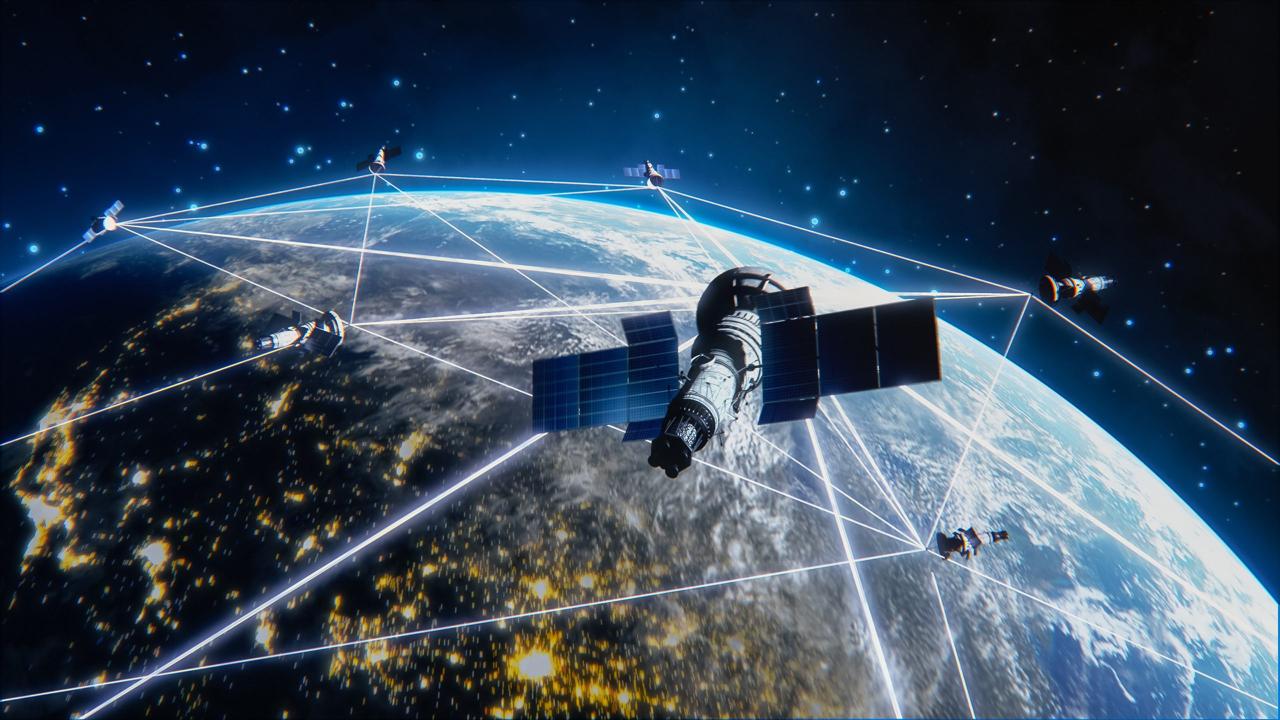
The Space Force has already made moves toward laser comms. The Space Development Agency plans to field hundreds of data transport satellites with optical communications terminals in low-Earth orbit for its Proliferated Warfighter Space Architecture. The first batch of operational data transport satellites is in orbit, and scores more are under contract and being prepped for launch. In a Sept. 29 media briefing, Reeves called that effort "an important step towards building a proliferated network designed to move data across space and ultimately to the warfighter," but added that it is "one piece of a much larger communications architecture."
The core problem, the report says, is that the data is being pushed through a legacy network never designed for that volume. "I think the space layer is getting out ahead of us, and we're going to have too much information to be able to manage effectively," Reeves said. "We really need to earnestly move forward."
Not everyone agrees on the pace. In 2025, a Government Accountability Office report criticized the service for spending too much on technology not yet ready for prime time. "Without demonstrating key laser communications technology capabilities, or minimum viable products, SDA is risking not being able to leverage past experiences into the investments either under contract or planned for in the future," GAO wrote, noting the investments total nearly 35 billion dollars.
Reeves made the case that laser comms is harder to disrupt and capable of transmitting more data faster. Radio frequency methods broadcast signals that are easy to detect, intercept, and jam. "The link is so much safer just because of that beam spread, that's so tiny compared to what you're getting with RF," she said in a Sept. 28 briefing. "Anything inside the footprint of RF, all you have to do to overcome is use power, and you are turning that off." She illustrated the difference by showing RF communications blanketing much of the U.S. East Coast while a laser shot covered an area the size of Ellis Island. Laser comms can transport data 10 to 40 times faster using a beam nearly 1,000 times narrower, though that precision comes with reliability tradeoffs.
The report rolls out Oct. 1. Reeves is urging the Space Force to pursue a hybrid architecture combining RF and optical communications rather than relying on either alone.