Japanese Startup Letara Raises ¥2.6B to Build Hybrid Engines for Launch and Satellites
Letara, a Japanese propulsion startup, has closed a ¥2.6B pre-Series A round, approximately $16M, to fund development of its low-cost hybrid rocket engine technology for both launch and in-space applications. The company intends to serve two distinct markets, satellite propulsion and launch vehicles, from a single combustion technology base. Founded in 2020, Letara is built on technology initially developed while Co-CEOs Shota Hirai and Landon Thomas Kamps were at Hokkaido University, Hirai as
OST Staff · August 21, 2026
Letara, a Japanese propulsion startup, has closed a ¥2.6B pre-Series A round, approximately $16M, to fund development of its low-cost hybrid rocket engine technology for both launch and in-space applications. The company intends to serve two distinct markets, satellite propulsion and launch vehicles, from a single combustion technology base.
Founded in 2020, Letara is built on technology initially developed while Co-CEOs Shota Hirai and Landon Thomas Kamps were at Hokkaido University, Hirai as a doctoral student and Kamps as a professor. The company was originally founded around the idea of miniaturizing hybrid rocket engines for use as in-space thrusters, but has since expanded its ambitions to cover both in-space and launch capabilities.
The round was led by Headline Asia, JIC Venture Growth Investments, and Incubate Fund, with additional participation from Aozora Corporate Investment, SMBC Venture Capital, NES Corporation, Gogin Capital, Toyoda Gosei, BIG Impact, Frontier Innovations, Mitsui Sumitomo Insurance Venture Capital, Mitsubishi UFJ Capital, and mint Inc. Letara's hybrid engine technology is powered by a mix of plastic-based fuel, HTPB, and an oxidizer that the company says is safer to handle than the more explosive fuels often used in conventional engines, without sacrificing performance.
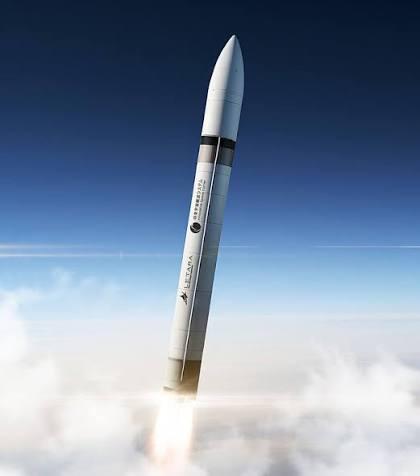
Letara's in-development product lines include two spacecraft thrusters for satellite propulsion and one hybrid engine for launch vehicles that can be scaled across a range of missions, from orbital satellite deployments to point-to-point logistics. The company completed a hot-fire test of its engine in 2025, demonstrating 5,000N of thrust. It has since received orders from undisclosed rocket and satellite companies as well as the Japanese government.
The company plans to use the new capital on a three-pronged growth plan: scaling its technology to meet a wider range of thrust metrics, financing its first in-space demonstration, the timing of which has not been disclosed, and building production capability to serve Japanese and international customers.
"We now build both satellite thrusters and launch-class rocket engines from the same core combustion technology, two markets, one technology base," Hirai said. He added that the round will let the company explore a wider set of use cases across both the space domain and the defense and security domain, developing hybrid systems suited to each. Long-term, Hirai said Letara plans to eventually build its own vehicle.
Investors are watching whether Letara can hit the cost targets that would make its hybrid approach competitive with the liquid engines that dominate the small launch market.
The company has not disclosed a date for its first in-space demonstration.