Fusion Propulsion Ventures Report Early Milestones as Space Demo Targeted for 2027
Several companies are now building practical nuclear fusion propulsion engines, and they say recent tests suggest the long-theoretical technology may finally be within reach. U.K.-based Pulsar Fusion hopes to launch a demonstration mission to space in 2027, while separate efforts continue in the United States, potentially opening the door to far faster travel across the solar system. Fusion-powered space travel has long promised rapid trips across the solar system, with Mars reachable in weeks
OST Staff · September 27, 2026
Several companies are now building practical nuclear fusion propulsion engines, and they say recent tests suggest the long-theoretical technology may finally be within reach. U.K.-based Pulsar Fusion hopes to launch a demonstration mission to space in 2027, while separate efforts continue in the United States, potentially opening the door to far faster travel across the solar system.
Fusion-powered space travel has long promised rapid trips across the solar system, with Mars reachable in weeks and Pluto in years. For decades the concept stayed theoretical. Now Pulsar Fusion, Princeton University, and Helicity Space are each pursuing fusion drives, with what the field describes as significant milestones being reached.
Nuclear fusion combines two atoms into a heavier one, releasing energy as light and heat. On Earth, the central problem is keeping superhot plasma confined at the right temperature, with the current record standing at 22 minutes. In space, that problem eases because the plasma can instead be fired out of the spacecraft to provide steady thrust in a frictionless vacuum. A fusion-powered spacecraft could reach hundreds or even thousands of miles per second, multiple times faster than any spacecraft in history. Producing meaningful thrust requires enormous numbers of reactions, with a quintillion reactions yielding about 10 newtons of thrust, sustained over months rather than minutes.
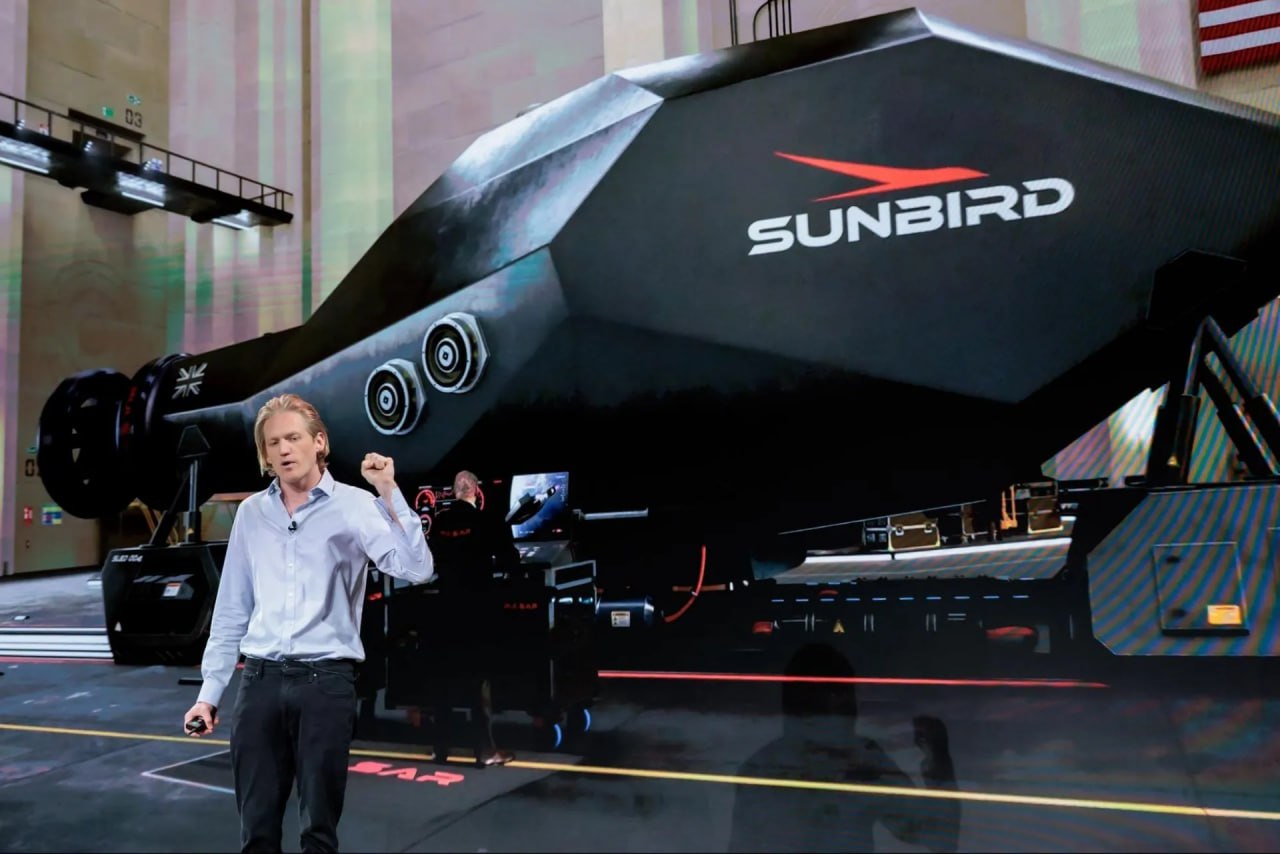
In March, Pulsar Fusion demonstrated first plasma inside a nuclear fusion engine at its facility in Bletchley, England. One of the company's Sunbird engines briefly transformed krypton gas into a plasma, showing how Pulsar might confine plasma within its exhaust system. "The plasma will sit in the system where you want it to sit," CEO and founder Richard Dinan said, adding that "the difficult work now is to be able to heat the plasma to temperatures nearer to fusion." Dinan founded Pulsar Fusion in 2011 to build a fusion-powered propulsion system, and the company plans to fuse helium-3 and deuterium, using the energy to heat helium-4 and expel it as propellant.
Dinan said a Mars trip would need just a few hundred grams of deuterium and helium-3 fuel, but 10 to 20 metric tons of deuterium propellant to reach target speeds of up to 329,000 mph, about 10 times faster than Voyager 1. At those speeds, which require months to accelerate and decelerate, travel time to Mars could be halved from the nine months chemical propulsion takes. At Princeton, physics professor Samuel Cohen has spent more than 20 years on a related concept, the Direct Fusion Drive, part of a project called Starfire. His team's prototype thruster reaches plasma temperatures of 18 million degrees Fahrenheit. "It's a start, but you've got to get to a billion degrees" Celsius for deuterium and helium-3 fusion to occur, Cohen said.
Those working in the field argue the implications could be sweeping. "If we continue on the current trajectory, everything we know about space travel is going to change within a decade," said Stephane Lintner, CEO and co-founder of Helicity Space. Dinan said, "I think we will see fusion as a propulsion system pretty soon. The demand is certainly there." Faster missions to farther destinations, including Saturn's moon Titan and the asteroid Psyche, would also come into reach.
The near-term milestone to watch is Pulsar Fusion's planned demonstration mission to space in 2027, alongside continued work by Princeton's Starfire project and Helicity Space to heat plasma to the extreme temperatures fusion requires.