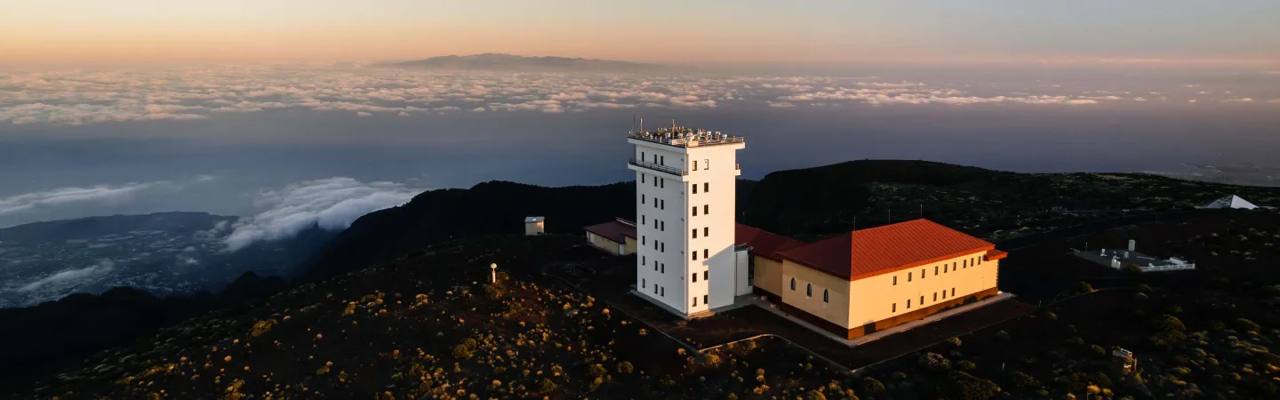
ESA Upgrades Tenerife Laser Station to Track Space Debris Automatically
The European Space Agency has completed an upgrade of its Izana laser ranging station in Tenerife, Spain, adding a second laser that expands the facility's ability to track space debris and other non-cooperative objects in orbit. The enhancement, reported November 16, supports automated tracking of objects that carry no beacon or transponder. The upgrade targets a specific operational need. As orbital congestion grows, the ability to range and track debris that cannot signal its own position be
OST Staff · November 16, 2026
The European Space Agency has completed an upgrade of its Izana laser ranging station in Tenerife, Spain, adding a second laser that expands the facility's ability to track space debris and other non-cooperative objects in orbit. The enhancement, reported November 16, supports automated tracking of objects that carry no beacon or transponder.
The upgrade targets a specific operational need. As orbital congestion grows, the ability to range and track debris that cannot signal its own position becomes essential infrastructure for collision avoidance and space traffic management.
The work centered on the ESA Izana laser ranging station in Tenerife. The addition of a second laser is the core of the upgrade, extending the station's reach to non-cooperative objects. The focus of the enhanced capability is space debris in orbit.
With the second laser in place, the station can now perform automated tracking of these objects. That automation marks a concrete capability step rather than a policy statement.
The upgrade matters because tracking non-cooperative debris, objects that carry no beacon and cannot answer a query, underpins collision avoidance and broader space traffic management as the orbital environment becomes more crowded.
Keeping orbit navigable now depends on tracking the things that cannot answer back.