ESA Signs Phase 2 Deal for MAGPIE, Europe's First Lunar Rover
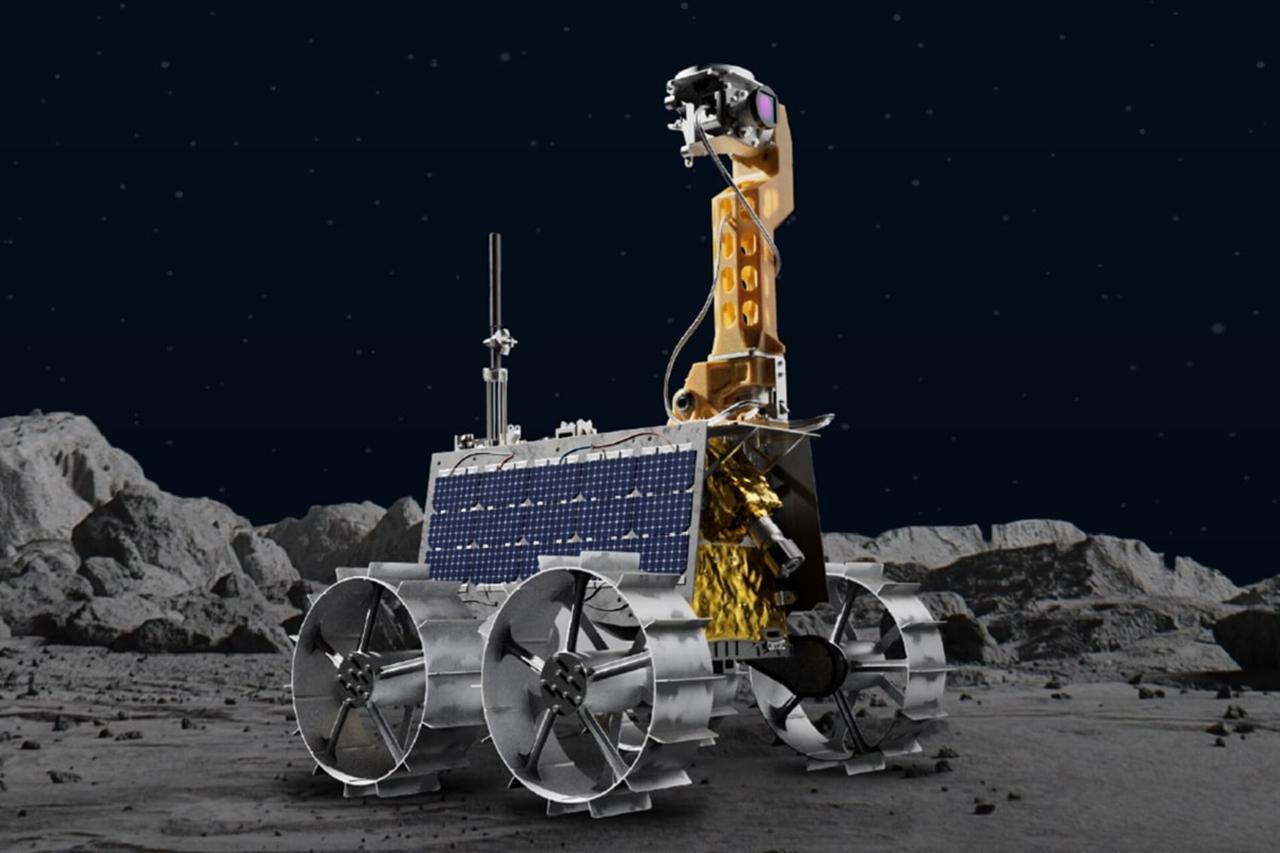
The European Space Agency and ispace-Europe signed an agreement on September 1, 2026 to implement MAGPIE, set to be the first European rover to operate on the Moon. The rover will target the lunar south pole to prospect for water and other volatiles, providing knowledge ESA describes as critical for the next phase of lunar exploration. The signing took place during a ceremony at the Space for Inspiration event in Copenhagen, Denmark. MAGPIE, the Mission for Advanced Geophysics and Polar Ice Exp
OST Staff · September 2, 2026
The European Space Agency and ispace-Europe signed an agreement on September 1, 2026 to implement MAGPIE, set to be the first European rover to operate on the Moon. The rover will target the lunar south pole to prospect for water and other volatiles, providing knowledge ESA describes as critical for the next phase of lunar exploration.
The signing took place during a ceremony at the Space for Inspiration event in Copenhagen, Denmark. MAGPIE, the Mission for Advanced Geophysics and Polar Ice Exploration, is ESA's first lunar rover and the first mission under the agency's Moon Explore initiative, which aims to develop key capabilities in a more agile and efficient way.
MAGPIE is designed to operate for roughly 10 Earth days, exploring the Moon's south pole to detect and measure the presence of water and other volatiles and to analyse the lunar subsurface geology. The rover carries a drill, a volatile analyser, a ground-penetrating radar and a neutron detector. It is planned to launch in 2029.
ESA has selected ispace-Europe as prime contractor to build, develop and fly MAGPIE. The rover is scheduled to fly aboard ispace's Mission 4 lunar lander through a collaboration between ESA and the Japan Aerospace Exploration Agency. Daniel Neuenschwander, ESA Director of Human and Robotic Exploration, and Julien-Alexandre Lamamy, CEO of ispace-Europe, attended the ceremony.
"The Moon's south pole is a key destination for future exploration. By prospecting for water and other volatile resources, MAGPIE will provide critical knowledge for the next phase of sustainable lunar exploration," Neuenschwander said. He added that as ESA's first lunar rover and the first Moon Explore mission, MAGPIE demonstrates a new approach that combines ambitious scientific and technological objectives with a faster, more cost-effective development model, bringing together European expertise and international cooperation through the partnership with JAXA.
Lamamy said the mission brings together some of Europe's leading scientific and engineering expertise. "We are proud to lead this consortium alongside ESA, combining commercial delivery with world-class science to investigate the lunar south pole while building Europe's operational capability on the lunar surface," he said. "The knowledge and experience we build through MAGPIE will extend far beyond this mission, helping to lay the foundations for future lunar exploration missions globally."
According to ESA, MAGPIE as its first lunar small mission pioneers a faster, lower-cost approach to exploration, enabling more frequent missions that accelerate innovation and the development of European capabilities for a sustainable future on the Moon. The mission will improve understanding of the lunar environment and the resources it may contain, knowledge the agency calls critical for the next phase of lunar exploration.
ESA said more information on its small missions and other lunar endeavours will be released in October.