Space Force to Field New Counter-Drone Systems at Cape Canaveral
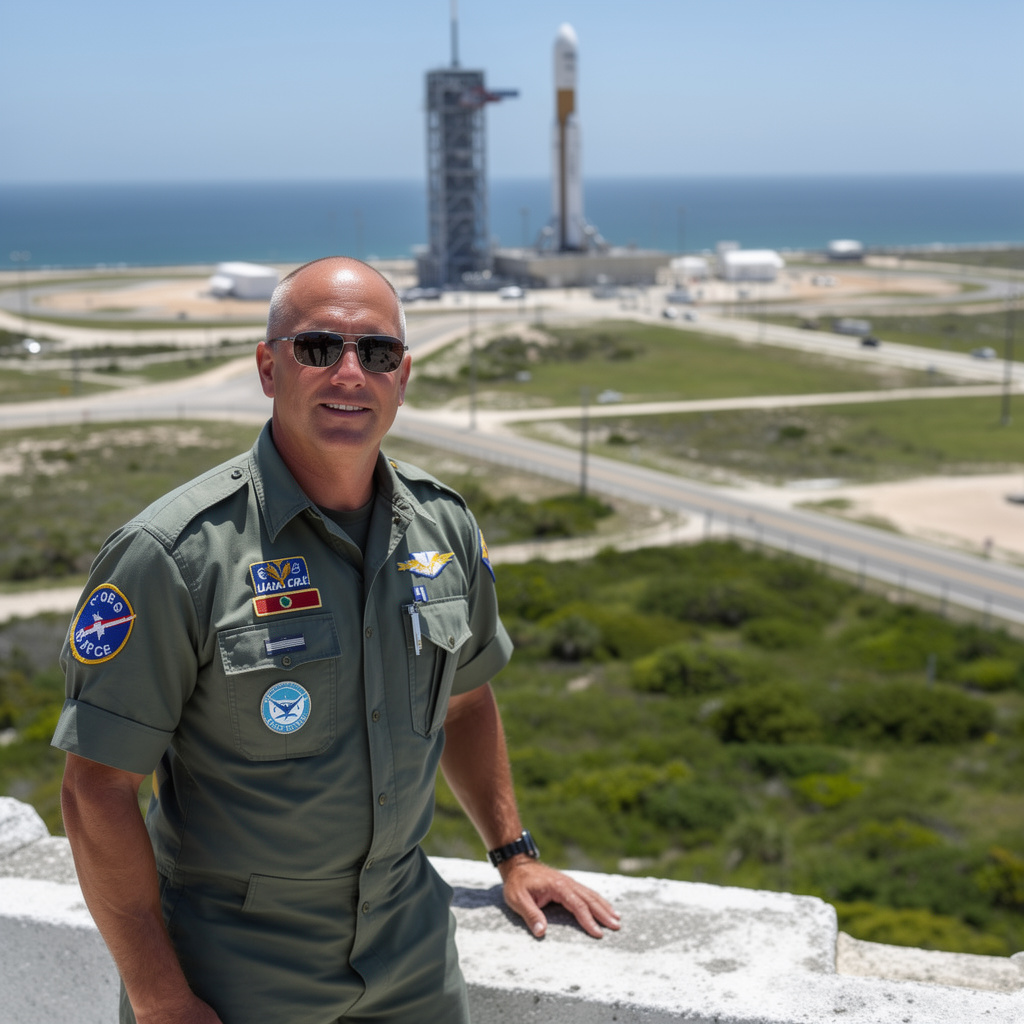
Cape Canaveral Space Force Station will receive new defenses against small drones in the coming weeks, part of a broader government effort to protect the nation's spaceports. The move comes as the White House pushes for hundreds more launches per year and officials identify drone incursions as a growing risk to range operations. The new equipment will come from Joint Interagency Task Force 401, the Pentagon's counterdrone task force, Space Force Col. Brian Chatman said on the sidelines of the a
OST Staff · September 19, 2026
Cape Canaveral Space Force Station will receive new defenses against small drones in the coming weeks, part of a broader government effort to protect the nation's spaceports. The move comes as the White House pushes for hundreds more launches per year and officials identify drone incursions as a growing risk to range operations.
The new equipment will come from Joint Interagency Task Force 401, the Pentagon's counterdrone task force, Space Force Col. Brian Chatman said on the sidelines of the annual Air, Space and Cyber Conference in National Harbor, Md. Chatman commands Space Launch Delta 45, which oversees all East Coast launch missions. He said Cape Canaveral is at the top of the task force's list for investing in additional capability.
Cape Canaveral, the nation's busiest launch facility, launched 109 rockets last year, while Vandenberg Space Force Base supported 66. Chatman said securing such facilities is a growing national-security priority as the military calls for more satellites and the White House pushes for 1,000 launches and re-entries by decade's end. He said the range is well-protected against aircraft but not smaller drones. His radars can currently see aircraft from a Cessna up to a 747, he said, but he needs to detect from a 747 down to a quadcopter.
Chatman and a Space Launch Delta 45 spokesperson did not identify the technology being provided. Lt. Col. Adam Scher, a JIATF 401 spokesperson, said the task force would not speak to specific capabilities at specific locations, but that strategic installations are prioritized for counter-UAS fielding. Scher said the task force works in support of U.S. Northern Command and the services to protect installations from the illicit use of drones. There is no silver bullet, he said, and the task force remains focused on accelerating delivery of innovative capabilities at speed and scale.
Chatman also described interest from private space companies in improving base security. He said security typically takes about 10 minutes to inspect and clear a truck entering the station. One launch service provider offered to pay for an automated rapid-scan system that could clear a vehicle in 30 seconds with a go/no-go determination, cutting the inspection timeline and increasing throughput for all users.
The Space Force also faces personnel shortfalls. In July, the Government Accountability Office reported that one-quarter of the jobs Space Force leaders say they need went unfilled in fiscal 2025, largely because the service could not track its personnel. An official at one Space Launch delta told GAO that supporting increased space launch operations is becoming more challenging and unsustainable. Another, at a Space Base delta, said a lack of funded civil-engineering positions is leading to a higher risk of mission failure. Manning shortfalls forced one delta to close one of its six fire stations in a squadron that could not meet National Fire Protection Association safety standards.
Chatman said he does not view the White House's call for 1,000 launches per year as pressure, but as advocacy for his mission. He said the Space Force cannot meet that goal alone and relies heavily on a partnership with the Air Force for base operations support personnel, including firefighters, security forces, and civil engineers. He said one significant change is a whole-of-government approach and focus on the launch industry.
The new JIATF 401 capability is expected to be integrated with existing systems in the very short term. The task force deploys defenses as prioritized by combatant commanders, and the Space Force continues to advocate across the Air Force for additional personnel to support its expanding launch tempo.